Welcome To Greenfield Local Hub!
 Home
Articles
Products
Orders
Contact
Settings
Home
Articles
Products
Orders
Contact
Settings
When growing crops we use something called arable farming. This is just a fancy way of saying we are growing crops on tilled land, instead of raising livestock (although some of what we grow is used as animal feed for other farmers). This type of farming makes up about 40% of the UK’s agricultural production.
How successful our crops are depends on weather conditions. A particularly hot and dry summer can dehydrate crops, and an especially cold and wet winter can drown them.
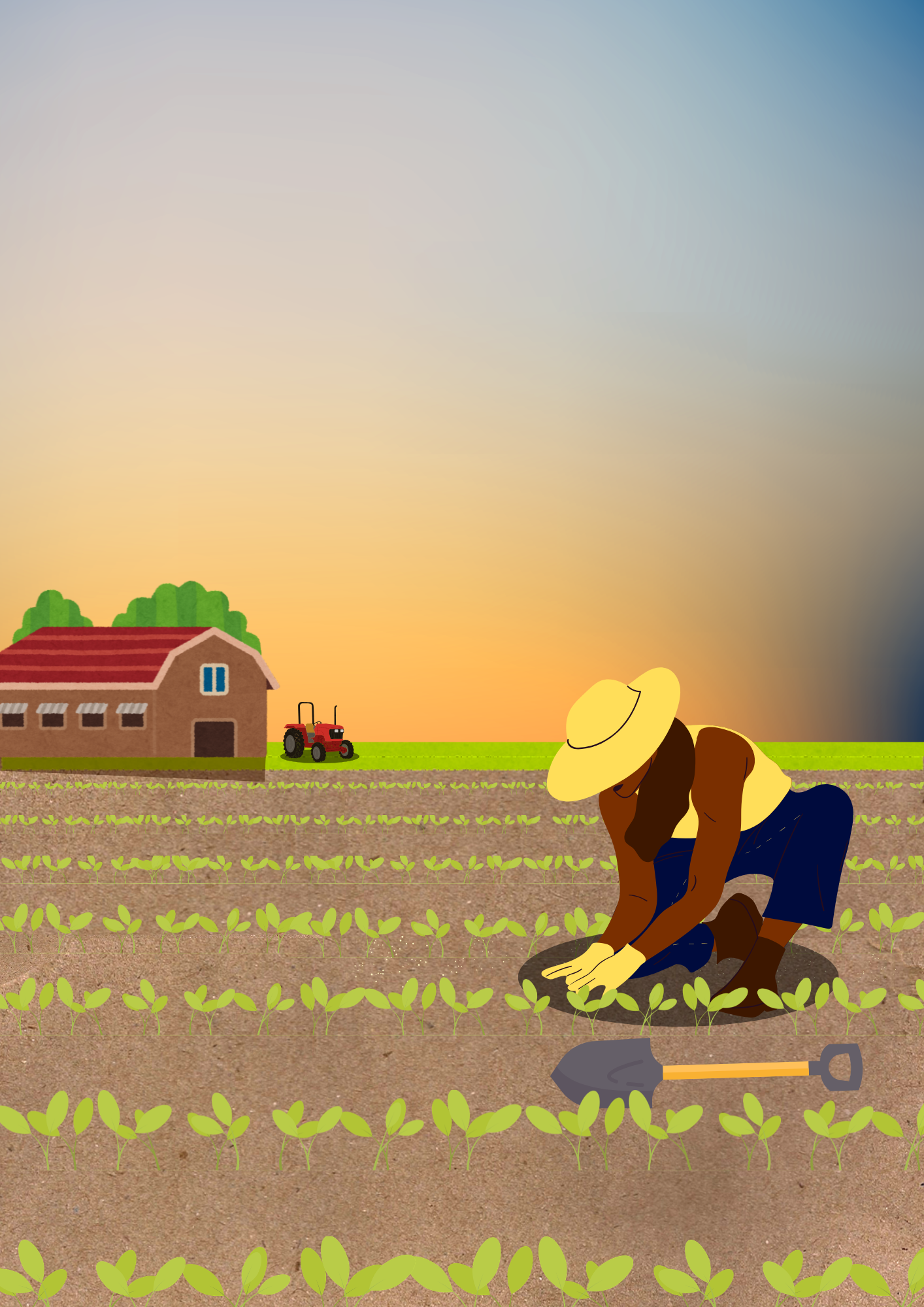
I specialise in cereal farming, which includes things like wheat, barley, oats and rye. These are often called staple foods, since they are used in many industries as raw materials. It is very important that I monitor the conditions my crops grow in, such as soil fertility (seeing if the soil has enough nutrients and water), pest control (so my pants do not get destroyed or made unsafe), and crop rotation (growing different cereals in a planned sequence each year) as I do not want my plants to become diseased or to not be high quality.
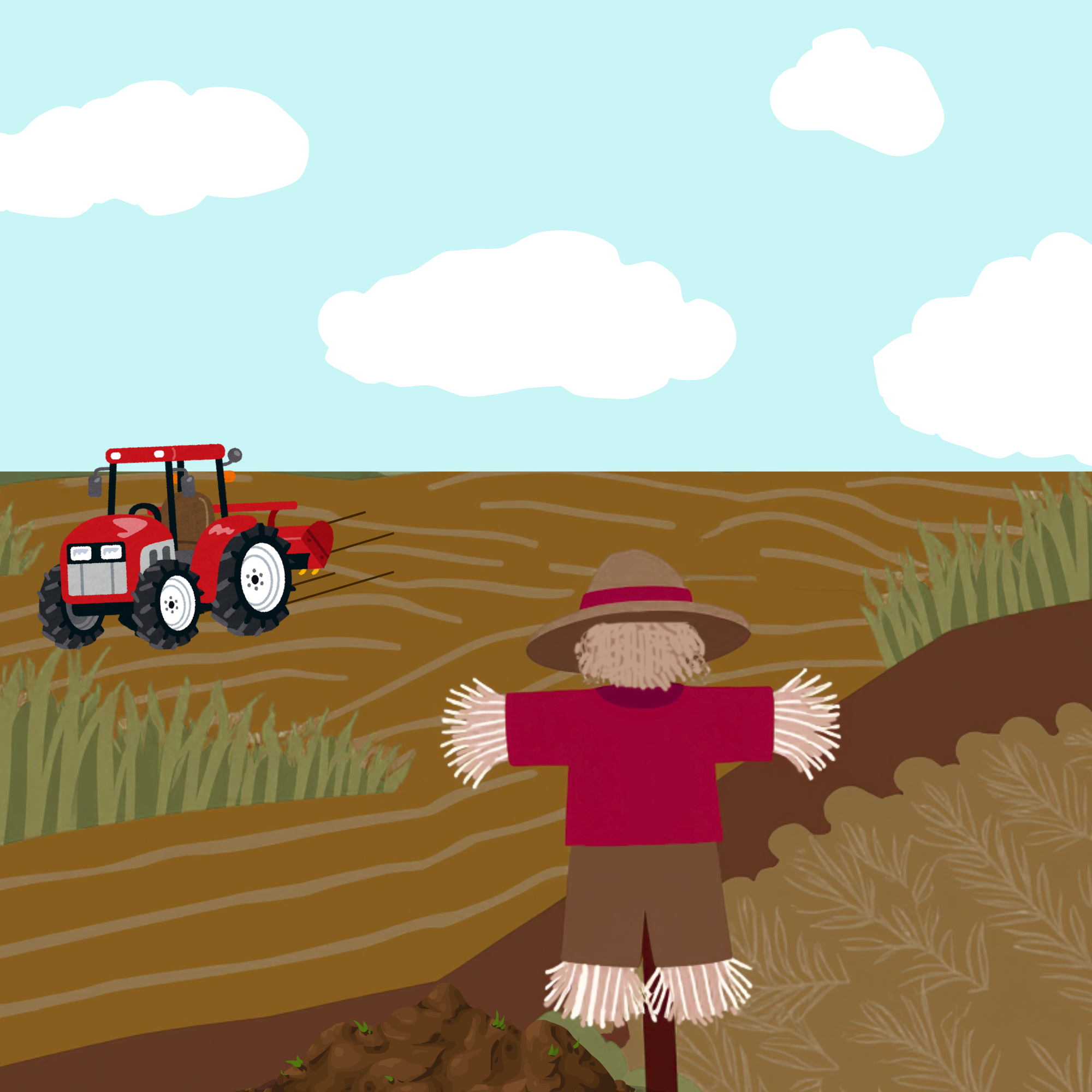
We use many types of machinery in arable farming to help make the process faster and more consistent. Tractors are used at almost every stage of cereal production, and help transport and use this machinery. Ploughing and harrowing soil helps break it up and smooth it down ready for seed planting. Seed drills are used to plant seeds at the desired depth and keep them evenly spaced. Spraying crops with liquids (e.g. fertiliser, pesticides, herbicides and fungicides) helps them grow and minimise the risk of disease infecting the plants. Finally, they can help harvest and transport fully grown crops.
We also make use of irrigation systems, which helps keep a steady and even water supply going to the crops, which is especially useful during dry periods. They also help us reduce how much water we are using, since it keeps everything evenly distributed for longer.
Then, of course, we store the crops until they are sent off to customers, whether that is an individual like you, or a company seeking to make them into a larger product. So, next time you use these plants or see them as an ingredient in a product, think about how much work was involved for them to make it to you!